October 28, 2025
 Special Thanks to Ronald Hadley (ronald.hadley@biztipstoday.com). Great stuff as usual Ron!
You’re not just trying to “do marketing.” You’re trying to get people to notice, care, and come back, without throwing good money after bad. When every dollar counts, visibility has to be earned with strategy, not spend. Here’s how small businesses can build an online presence that pays off, even on a tight budget.
Start With a Financial Filter
Think of your marketing plan as a budget map, not a wishlist. You can’t do everything, and pretending you can leads straight to waste. Step one: Separate fixed costs (like web hosting or design tools) from flexible ones (like ads or freelancers). Then score your channels by what you’ve already tried, what brought actual leads, and what you’re guessing on. If you’re just throwing $100 into boosted posts without knowing the outcome, it’s time to realign. Building out priorities from a small business budgeting structure helps you see what to scale up, what to pause, and what to leave behind entirely.
Own the First Impression
Search for your business right now. What comes up? If it’s not your Google Business Profile, you’re handing traffic to someone else. Verifying and updating that listing is free, and the impact is outsized. It controls how you appear in Maps, whether people can call you instantly, and how your reviews stack up. You can upload photos, add holiday hours, and even answer questions directly. Small teams that claim their Google Business Profile often see a direct lift in foot traffic and inquiries without changing anything else.
Win the Local Search Game
If you’ve ever searched “best [service] near me,” you already know how customers find businesses. Now flip that, and become the one they find. Local SEO isn’t about tricking Google. It’s https://backlinko.com/local-seo-guide: This is what you do, this is where you do it, and this is why people trust you. You don’t need to be a tech wizard to get started. Update your business listings, include location info on your pages, and organize your site the way people speak. With search behavior trending hyper-local, getting this right can create a steady stream of customers without a single ad.
Build Your Presence by Showing Up
Consistency beats creativity when budgets are tight. You don’t need viral videos or full-scale campaigns, you need to show up often enough that people remember you. Organic social posting still works when it’s tied to a real rhythm: something educational on Mondays, something personal midweek, a customer highlight on Fridays. Use templates. Pre-schedule when you can. Keep the tone real. The most successful small businesses don’t post like brands, they post like people. This kind of relationship-first content approach doesn’t just build visibility, it creates trust you can’t buy.
Double Your Reach Without Spending More
Other small businesses aren’t your competition, they’re your opportunity. If someone else serves the same customer base but sells something different, you should be working together. Co-marketing means combining platforms, emails, or events to reach more people with half the effort. Run a joint giveaway. Bundle services. Share a booth. The key is choosing partners who match your tone and values, not just your audience size. Plenty of small brands have unlocked momentum through simple shared promotions that bring attention to both sides without extra cost.
Use the Real World to Spark Digital Attention
Some of your best marketing might come from a sidewalk, a sticker, or a handwritten sign. When people see something unexpected in a familiar space, they talk about it, and that talk travels. This isn’t about being loud. It’s about being smart and specific. Create a visual pattern people can follow. Set up a pop-up in an odd spot. Leave QR-coded clues that send folks to your Instagram. The businesses that stand out often do so through simple street-level plays that cost less than an ad but deliver way more talk.
Use Free Tools Like a Pro
You’re not missing opportunities, you’re drowning in them. Too many platforms, too many dashboards, too much noise. That’s where free tools come in. Instead of juggling spreadsheets and logins, lean on software that centralizes the work. Design posts in Canva. Queue them in Buffer. Track traffic through Google Analytics. These aren’t bonus features, they’re survival essentials. When used together, a lean tech stack turns chaos into clarity and helps one person do the work of five.
You don’t need to chase every new channel or follow the latest trend. You need a plan you can run—consistently, clearly, and on your terms. Start small. Build systems. And don’t mistake low budget for low impact. If your messaging is strong, your moves are intentional, and your presence is visible, you’ll stay in the game—and grow while others guess. Budget marketing isn’t about limitation. It’s about leverage.
September 24, 2025
Economic shifts don’t wait for your books to balance. They show up as fewer customers on a Tuesday, a supplier going silent, or a landlord raising rent without warning. For local business owners, change isn’t theoretical — it’s felt in cash flow and community trust. But adaptation isn’t about panic or reinvention. It’s about looking at what’s already working, who’s already in your corner, and what small bets you can place today that pay off when things tilt tomorrow. This isn’t survival theory — it’s local business muscle memory, built one honest decision at a time.
Move Fast, Stay Human
During the pandemic, a bakery that once only served walk-ins started selling baking kits online. A bike shop began renting out gear for home workouts. Across industries, surviving downturns by combining creative business responseswasn’t a trend—it was a lifeline. The agility came not from a five-year plan, but from quick experiments and tight loops of community feedback. They asked, “What do people still need?” and then answered it out loud. Those that treated every pivot as a conversation survived what others couldn’t endure.
Invest in Your Own Thinking
There’s another move too often overlooked: education as a form of preparation, not just aspiration. Getting a formal foundation in business—whether it’s learning how to interpret financial statements, manage operations, or forecast cash flow—makes a measurable difference when volatility strikes. Programs like a business bachelor degree for entrepreneurship don’t just teach theory; they sharpen the decision-making muscles that matter in real-world pressure scenarios. The curriculum is less about textbooks and more about creating clarity: How do you weigh opportunity costs under uncertainty? What metrics matter when margins vanish? The right kind of business education acts as both compass and stabilizer, equipping owners to navigate—not just endure—whatever comes next.
Start With the Ground Beneath You
In moments of economic upheaval, small business owners often find themselves on unstable ground while trying to keep others steady. Local economies aren’t insulated from national headlines—they’re the reflection of them, felt through delayed shipments, cautious customers, and abrupt shifts in what used to work. But the difference between merely reacting and meaningfully adapting lies in how a business roots itself. It’s not just about bracing for impact; it’s about anchoring to what’s already around you. When broader systems fracture, the most resilient businesses turn to their hyperlocal advantages: trust, familiarity, and boots-on-the-ground awareness. That’s where the most effective adaptation begins—not with grand pivots, but with grounded recalibration.
Cooperation Multiplies Impact
Some small businesses not only held steady during downturns—they expanded, precisely because they leaned on each other. Whether it was a joint marketing campaign between five unrelated retailers, or a co-hosted event between a yoga studio and a coffee shop, thriving together with shared marketing and resource pools allowed everyone to stretch further than they could alone. These collaborations weren’t about dilution; they were about amplification. They made the street feel louder. And louder meant more foot traffic, more curiosity, more trust—exactly what’s needed when growth feels out of reach. Survival was only the beginning.
Collaboration Over Competition
Community isn’t a marketing angle. It’s infrastructure. And in times of uncertainty, collaboration beats isolation every time. The strongest local businesses are rarely the ones that hoard customers or secrets—they’re the ones that open doors. That may look like two shops co-hosting events, or five founders pooling cash for a shared delivery driver. Micro-networks like these help distribute risk and multiply visibility, even when budgets tighten and demand wobbles.
Push for the Conditions You Need
Advocacy is a powerful tool that too few small business owners realize they can wield. By joining forces with local organizations, town councils, or business improvement districts, owners can start advocating for supportive policies and community infrastructure. In times of economic stress, this kind of civic participation doesn’t just help you—it lifts the ecosystem. Whether you’re pushing for broader sidewalk permits or broadband subsidies for rural sellers, the point isn’t protest—it’s construction. You’re building the environment you need to thrive. The moment your voice shapes local policy is the moment you stop merely reacting and start reshaping the terrain.
Trust Is a Durable Currency
Resilience isn’t a strategy you draft once and shelve. It’s a relationship you maintain. Business owners who make the effort to build trust before crisis hits—across customers, neighboring shops, even local journalists—have something far sturdier to stand on when conditions turn. That kind of connection doesn’t show up on a balance sheet, but it shapes everything about how people respond when your doors stay open or your hours shrink. Even a quick check-in with your regulars can turn a quiet downturn into a feedback session. Trust is your operating margin when everything else gets squeezed.
There’s no single roadmap for staying steady in an unsteady economy—but there are throughlines. Start with the people near you, not the tools far away. Invest in knowledge that doesn’t evaporate with trends. Think in loops, not lines—where action feeds learning and learning feeds action again. And above all, don’t confuse independence with isolation. Adaptation isn’t about standing tall alone. It’s about bending with others and finding strength in the flex.
Discover how Guild Creative can elevate your brand with innovative marketing solutions tailored for small businesses!
May 7, 2025

By Ronald Hadley (ronald.hadley@biztipstoday.com). Image: Freepik
When the tide turns and business gets rough, it’s easy to feel like the ground beneath your feet is crumbling. Revenue drops, clients grow quiet, and it can feel like every decision carries double the weight. In those moments, it’s not about having all the answers; it’s about finding your balance and moving forward even when the path looks foggy. Surviving—and eventually thriving—through tough times calls for more than grit; it calls for smart moves, fresh thinking, and a heavy dose of resilience.
Pause and Get Honest About Where You Are
Before you can fix anything, you have to stop long enough to get a clear picture of what’s broken. It’s tempting to run from bad news or to push harder without adjusting course, but brutal honesty about your numbers, your team’s bandwidth, and your customer base is what sets the foundation for recovery. You have to be willing to ask the hard questions: what’s working, what’s not, and what can no longer be ignored? Only then can you map a way forward that’s based on reality rather than hope.
Reignite the Fire in Your Team
In the middle of the storm, your team is looking to you not just for answers, but for energy. Even if you’re anxious inside, showing up every day with steady leadership can help anchor everyone around you. Now’s the time to listen more, communicate more, and celebrate even the smallest wins to keep morale afloat. People can handle tough times if they believe they’re not facing them alone, and a team that’s engaged will find ways to pull off small miracles you didn’t even realize were possible.
Revamp Your Marketing with Fresh, Creative Solutions
When sales slow down, many businesses panic and slash marketing—but that’s often the exact wrong move. Instead, rethink how you’re connecting with customers and consider partnering with experts who know how to inject real creativity into the mix. Firms like Guild Creative specialize in helping businesses rediscover their voice and craft marketing that doesn’t just look good but connects in ways that get people to act. Whether it’s reimagining your brand visuals or creating campaigns that cut through the noise, fresh marketing isn’t a luxury during tough times—it’s your lifeline.
Advance Your Expertise with a Business Degree
Building a stronger business sometimes starts with building a stronger you. Expanding your skills through business administration degree opportunities can open doors to new strategies you hadn’t considered before, helping you make smarter, faster decisions when it matters most. Whether you want to get sharper in accounting, business operations, communications, or management, pursuing a business degree can equip you with tools that immediately pay off in real-world scenarios. Thanks to flexible online degree programs, you can keep your business running while leveling up your expertise.
Trim the Fat Without Cutting the Muscle
Cost-cutting is inevitable when things get lean, but it has to be done with a scalpel, not a chainsaw. Cutting expenses that quietly power your customer relationships or your product quality will hurt you more in the long run than it saves in the short term. Focus on trimming non-essential spending—subscriptions nobody uses, bloated administrative layers, outdated processes—and leave the parts of the business that customers actually care about untouched. The goal isn’t just to survive the downturn, but to emerge with your core value intact.
Find Small Wins and Stack Them
Waiting for a major turnaround can feel like waiting for rain in the desert. Instead, shift your focus toward small victories: a new client signed, a slightly higher average sale, a quicker turnaround on a service. When you stack up enough of those tiny wins, they start to build real momentum. And momentum has a funny way of restoring your team’s energy and giving your business the forward push it needs to break out of a rut.
Double Down on Relationships, Not Transactions
When people are cautious with their spending, the businesses they trust the most are the ones that still get their dollars. This is the moment to be human in your outreach: personalized notes, unexpected check-ins, behind-the-scenes updates on what’s happening inside your business. Customers can smell desperation a mile away, but genuine care and authenticity? That sticks. Treat every client like they’re your only client, and you’ll be surprised how often loyalty shows up just when you need it most.
Give Yourself Room to Pivot If You Need To
Sometimes survival isn’t about holding the course—it’s about realizing that the course itself needs to change. If you’ve been clinging to a business model or product offering that just doesn’t fit the market anymore, it might be time to pivot. And that’s not a failure; that’s adaptability, which is one of the most underrated skills in business. Pay attention to where the market is nudging you and don’t be afraid to shift—even if it means rethinking parts of your business you once thought were permanent.
Every business, no matter how successful, hits rough waters at some point. It’s what you do in those hard seasons that defines whether you’ll still be standing when the sun finally breaks through the clouds. If you stay honest about where you are, stay connected to your people, invest in creativity, and stay nimble enough to shift when necessary, you give yourself the best shot at not just surviving—but coming out stronger. You can’t control the storms, but you can absolutely control the way you steer your ship through them.
Discover how Guild Creative can transform your brand with innovative marketing solutions that captivate and engage your audience, all without breaking the bank!
March 11, 2025

By Ronald Hadley (ronald.hadley@biztipstoday.com). Photo by Freepik
Experiencing a surge in business growth can be both thrilling and daunting. As your enterprise expands, the need for strategic planning becomes paramount to ensure sustainability and success. This phase demands a keen understanding of market dynamics, effective resource management, and a commitment to continuous learning. By adopting innovative strategies and leveraging the right tools, businesses can transform challenges into opportunities for advancement.
Tackle Challenges by Building Skills
Boosting your business acumen is crucial when managing rapid growth, and earning an online business degree can be a game-changer. This educational path enhances your ability to lead in dynamic environments by honing critical thinking, communication, and leadership skills. Pursuing a bachelor of business management for personal development further refines your capabilities in operations and project management, essential for steering your business through periods of expansion. The flexibility of online programs allows you to integrate learning with your existing commitments, making it an ideal choice for busy entrepreneurs. Investing in your education not only prepares you for immediate challenges but also positions you for long-term success in a competitive market.
Streamline Growth with ERP Systems
To effectively manage the complexities of rapid expansion, consider implementing ERP systems to enhance your supply chain management. These systems provide a cohesive platform that integrates data across departments, ensuring real-time information sharing and reducing the need for manual data conversions. By automating routine tasks and improving supplier communication, ERP solutions help maintain optimal inventory levels, minimizing both excess stock and stockouts.
Integrate Sustainability
Fostering sustainable growth requires a focus on performance metrics that go beyond traditional financial returns. Unlike conventional ROI, sustainability ROI considers financial, environmental, and social values. By clearly defining your objectives and examining the entire value chain, you can gain insights into both tangible costs, like energy and waste, and intangible benefits, such as brand reputation and employee satisfaction. This comprehensive approach not only helps meet compliance requirements but also positions your business to thrive amid economic uncertainties and resource constraints.
Engage in Competitive Analysis
To maintain a strategic edge during rapid growth, leveraging competitive analysis is essential. By consistently updating your competitive analysis, you gain a clear understanding of the market landscape, identifying both direct and indirect competitors. This process not only highlights competitors’ strengths and weaknesses but also uncovers opportunities for your business to improve. With this knowledge, you can refine your marketing strategy to better engage your target audience and set clear business goals.
Empower Your Business with Effective Leadership
Investing in leadership training is crucial for small business owners navigating rapid growth. Many companies, especially those with fewer than 500 employees, often overlook the importance of comprehensive management training, providing minimal time for development. This oversight can lead to a significant gap in leadership capabilities. By prioritizing leadership development, you can ensure your managers embody your organizational values and are equipped to enhance productivity and employee satisfaction. This investment transforms managers into effective leaders who can adeptly handle the challenges of sudden growth, fostering a more resilient and successful business.
Invest in Employee Training
Investing in employee training is a strategic approach that can significantly boost your business’s growth and adaptability. By providing your team with new skills and knowledge, you empower them to perform their tasks more effectively, leading to improved productivity and customer satisfaction. This not only enhances your company’s reputation but also fosters a culture of excellence that propels continuous growth. Moreover, offering training opportunities can increase employee morale and loyalty, as they feel valued and recognized for their contributions.
Cultivate a Flexible Workforce
In the midst of rapid business expansion, fostering a culture of flexibility and adaptability among your employees is essential. Implementing mentoring and coaching programs can be a strategic move, pairing experienced employees with those eager to develop these crucial skills. This approach ensures that employees receive the necessary guidance to navigate new challenges effectively. Regular feedback sessions with mentors can help employees track their progress and make necessary adjustments, promoting a growth mindset that views challenges as opportunities for development.
Incorporating these strategies into your business model can transform the challenges of rapid growth into opportunities for sustained success. By focusing on education, technology, sustainability, and workforce development, you create a robust foundation for your business to thrive.
Discover how Guild Creative can elevate your brand with innovative marketing solutions tailored for small businesses. Visit their website to see how they can help you stand out and achieve sky-high results!
February 17, 2025

By Ronald Hadley (ronald.hadley@biztipstoday.com). Photo by Freepik
Growing a business isn’t a one-size-fits-all endeavor. Each stage of growth comes with unique challenges, requiring different strategies to ensure stability and expansion. What works for a startup won’t necessarily apply to a mature company looking to diversify. By understanding the nuances of business development, you can implement the right approach at the right time. Whether you’re launching a new venture or scaling an established brand, knowing which strategies to adopt can make the difference between stagnation and success.
Establishing a Scalable Business Model
At the startup stage, your primary focus should be on building a strong foundation. This means creating a business model that not only meets market demand but is also scalable. Too often, new businesses focus solely on short-term profitability, overlooking the importance of long-term sustainability. Instead, prioritize lean operations, adaptability, and data-driven decision-making to ensure that growth doesn’t outpace your infrastructure. A well-structured foundation will allow you to pivot when necessary while maintaining stability in the face of uncertainty.
Finding Your Market Fit
Before a business can grow, it must establish its place in the market. Market research and competitive analysis are key tools in understanding where your business fits and how you can differentiate yourself. Instead of casting a wide net, focus on refining your niche and delivering unmatched value to a specific customer base. Strong branding, clear messaging, and targeted marketing will help solidify your position and create a loyal customer base. Without a well-defined market fit, even the most promising businesses struggle to scale effectively.
Creating Powerful Marketing Videos
Video marketing is one of the most engaging ways to connect with your audience and showcase what makes your business unique. High-quality, compelling videos can tell your brand’s story, demonstrate your products, or share customer testimonials in a way that resonates emotionally with viewers. To streamline the process, you can use a free video editor to help create your videos, allowing you to add audio, change your video speed, animate elements, and more. When done right, video content can boost your visibility, drive traffic, and help you promote your brand by creating videos that leave a lasting impact.
Leveraging Customer Acquisitions
Once you’ve identified your ideal customer, the next step is scaling your customer base. A mix of organic and paid strategies, including social media marketing, search engine optimization, and strategic partnerships, can help drive customer acquisition. Instead of focusing solely on volume, prioritize quality leads that have high retention potential. A business that builds strong relationships early on will have an easier time sustaining growth than one that constantly chases new customers. Sustainable growth depends not just on attracting new customers but also on keeping them engaged.
Earning an MBA
Expanding your business skills through continued education can open new doors and enhance your ability to navigate an evolving market. Going back to school gives you the opportunity to sharpen your expertise, explore new strategies, and strengthen your decision-making abilities. An MBA program can deepen your understanding of business, strategy, and management while also helping you grow as a leader through self-awareness and self-assessment. If flexibility is a priority, an online degree allows you to advance your education without putting your career on hold, making it easier to learn at your own pace.
Streamlining Operations for Scalability
As a business expands, inefficiencies become more apparent and can hinder progress. Growth isn’t just about increasing revenue—it’s about improving operational efficiency to support increased demand. Implementing automation, optimizing supply chains, and refining internal processes can help maintain momentum without overwhelming resources. Without strategic efficiency improvements, businesses risk burning out their teams, increasing costs, and losing sight of their core objectives. A streamlined operation ensures that scaling doesn’t come at the cost of quality or service.
Exploring New Revenue Streams
Once a business reaches maturity, growth often comes from expansion into new markets or product lines. Diversification can help protect against market fluctuations and create additional revenue streams. However, not all growth opportunities are equal, and expanding too quickly without proper market research can be costly. Instead of chasing every opportunity, focus on complementary products or services that align with your brand and customer needs. Thoughtful diversification allows businesses to evolve without losing sight of their core strengths.
Investing in Leadership and Innovation
Long-term success requires more than just a great product—it demands strong leadership and a culture of innovation. As businesses grow, leadership must evolve to meet new challenges, and investing in talent development becomes crucial. Encouraging innovation keeps a company competitive and adaptable in changing markets. A business that fosters a forward-thinking culture and empowers its teams will always be better positioned for sustained success. Growth is not just about external expansion but also about strengthening the internal ecosystem that drives it.
Adapting to Market Changes
Even well-established companies must remain agile to survive in an ever-changing business landscape. Consumer behavior, technology, and economic factors constantly shift, requiring businesses to stay proactive. Regularly reassessing strategies, adopting emerging technologies, and staying attuned to industry trends can help businesses stay ahead of the curve. Stagnation is the enemy of growth, and the most successful companies are those that embrace change as a constant. A business that future-proofs itself today will continue to thrive in the years to come.
Business growth isn’t linear, nor is there a universal playbook that guarantees success. Each stage presents new challenges and opportunities, requiring businesses to adapt and refine their strategies. By implementing the right strategies at the right time, you can ensure your business remains resilient, competitive, and primed for continuous growth. The key isn’t just expanding—it’s doing so with purpose, vision, and adaptability.
Discover how GuildCreative can elevate your brand with innovative marketing solutions tailored for small businesses. Visit their website to explore how they can help you stand out and achieve results!
January 6, 2025

By Ronald Hadley (ronald.hadley@biztipstoday.com). Photo by Freepik
Today’s businesses are increasingly recognizing the importance of sustainability not just as a trend, but as a fundamental component of their operations. Crafting an eco-friendly business model is not only a moral imperative but also a strategic advantage that can drive growth and profitability. By integrating sustainable practices into every facet of your business, from operations to marketing, you can create a resilient model that appeals to environmentally conscious consumers. This article delves into practical strategies that can help businesses thrive while making a positive impact on the planet.
Strategic Benefits of Forming an LLC
When starting your eco-friendly business, forming a limited liability company (LLC) can be a wise decision. An LLC offers limited liability protection, safeguarding your personal assets while providing tax flexibility that supports sustainable growth. Additionally, LLCs typically require less paperwork and offer more operational flexibility than corporations. It’s essential to understand the specific regulations in your state. For example, if you’re considering forming an LLC in Colorado through ZenBusiness, familiarize yourself with Colorado’s requirements. This strategic move not only protects your personal assets but also positions your business for long-term success and a positive environmental impact.
Digital Tools for Eco-Friendly Marketing
Leveraging digital platforms is a powerful way to minimize reliance on traditional marketing materials. By engaging with a global audience through strategies like social media marketing and email campaigns, suggests Sprout Social, you reduce costs and contribute to environmental conservation. This approach aligns with the growing focus on sustainability and enhances customer interaction by reaching them online. As the digital landscape evolves, adapting to these changes can give your business a competitive edge while lowering its carbon footprint.
Sustainability Audits
Conducting regular sustainability audits is vital for aligning your business with environmental, social, and governance (ESG) standards. These audits help identify strengths and areas for improvement, ensuring alignment with industry benchmarks. By systematically assessing your company’s practices, you can track key performance indicators (KPIs) and drive continuous improvement. Utilizing tools like KPI dashboards can streamline the audit process, enhancing efficiency and effectiveness. Regular audits act as a proactive measure to mitigate potential risks and bolster your business’s eco-friendly model.
Eco-Friendly Design
Incorporating eco-friendly design principles can significantly enhance sustainability throughout your product’s lifecycle. By focusing on Ecodesign, you can evaluate each stage of the product’s life to minimize environmental harm. This involves selecting materials with a low environmental footprint and employing innovative manufacturing techniques to reduce emissions. Adopting circular design strategies, such as using recycled materials, helps keep resources in circulation. Aligning these practices with your corporate strategy not only contributes to environmental sustainability but also engages customers in meaningful ways.
Sustainable Packaging
Incorporating sustainable packaging into your business model minimizes environmental impact and enhances your brand’s appeal to eco-conscious consumers. Through implementing reusable and refillable packaging systems, you can significantly reduce single-use waste. Highlighting these sustainable choices in your marketing materials can differentiate your brand, build trust, and drive growth by showcasing your commitment to environmental responsibility. This approach aligns with stricter EU sustainability regulations and taps into the growing consumer demand for eco-friendly products.
Research Collaborations
Forming strategic partnerships with educational institutions can drive sustainable innovation and enhance your business model. Universities are hubs of cutting-edge research, providing opportunities to access the latest advancements in sustainable technologies. These collaborations enable you to harness academic expertise to develop eco-friendly solutions that align with your corporate objectives. By investing in academic research, you contribute to societal progress and gain a competitive edge by integrating sustainable practices into your business model.
Pursuing an eco-friendly business model is a strategic choice that aligns with both ethical values and market demands. By adopting these strategies, businesses can not only contribute to environmental preservation but also achieve sustainable growth and profitability. As the world increasingly values sustainability, those who lead with eco-friendly practices will set themselves apart and inspire others to follow suit.
Discover how Guild Creative can elevate your brand with innovative marketing solutions tailored for small businesses. Visit their website to see how they can help you stand out and succeed!
January 2, 2025

By Ronald Hadley (ronald.hadley@biztipstoday.com). Image via Pexels
How to Start a Business Selling THCa: A Step-by-Step Guide
The cannabis industry is evolving rapidly, and THCa (tetrahydrocannabinolic acid) is gaining significant attention for its potential benefits. Unlike THC, THCa is non-psychoactive in its raw form, making it an attractive option for consumers seeking cannabis’s therapeutic properties without the high. If you’re considering starting a business selling THCa products, there are crucial steps you must take to ensure compliance, quality, and success in this competitive market.
Understanding the Legal Landscape
Before diving into the THCa business, you must thoroughly research and understand the legal regulations governing its sale. Laws surrounding cannabis and its derivatives vary widely between states and countries, and even minor missteps can result in hefty fines or legal trouble. Some jurisdictions allow the sale of THCa products as long as they remain within the legal THC limit, while others impose stricter restrictions. Consulting with a cannabis attorney or regulatory expert can help you navigate these complexities and ensure your business operates within legal boundaries.
Building Reliable Supplier Partnerships for THCa Success
Establishing strong relationships with trustworthy suppliers is vital for maintaining the quality and consistency of your THCa products. Begin by conducting thorough research to verify supplier credentials, assess product quality, and ensure compliance with legal standards. This diligence not only protects your business but also enhances your reputation in the competitive THCa market. By choosing suppliers who meet high standards, you can maintain a competitive edge and cater to diverse customer preferences. Understanding the unique properties of THCa diamonds and their properties can further guide your selection process, ensuring you offer products that align with consumer demands.
Keeping Up with Industry Developments
The cannabis industry is constantly evolving, with new research, laws, and consumer trends shaping the market. Staying informed about the latest scientific studies on THCa can help you educate your customers and refine your marketing strategies. Likewise, monitoring regulatory changes ensures you remain compliant and can adapt your business accordingly. Subscribing to industry newsletters, joining cannabis trade associations, and attending conferences can provide valuable insights and networking opportunities.
Crafting a Solid Business Plan
A detailed business plan is essential for securing investors, defining your goals, and setting a clear roadmap for your THCa business. Your plan should outline your target market, competitive landscape, financial projections, and marketing strategies. Consider how you will differentiate your brand—whether through product quality, educational content, or unique formulations. Additionally, factor in startup costs, licensing fees, operational expenses, and expected revenue to create a realistic financial forecast.
Choosing Your Distribution Channels
Deciding how you will distribute your THCa products is a critical step in shaping your business model. You can sell directly to consumers through an e-commerce website, open a physical storefront, or supply other retailers and dispensaries. Each approach has its own challenges and benefits—online sales require strong digital marketing strategies and compliance with shipping regulations, while brick-and-mortar stores demand a significant upfront investment. Consider your target audience and local laws when determining the most effective distribution method.
Implementing Strict Quality Control Measures
Maintaining high product quality is non-negotiable in the cannabis industry. Implementing rigorous quality control measures ensures that your THCa products meet both legal and consumer expectations. This includes testing for contaminants like pesticides, heavy metals, and mold, as well as verifying cannabinoid potency. Transparency is key—providing lab test results on your packaging or website builds consumer trust and sets your brand apart from less scrupulous competitors.
Educating Your Customers on THCa
Many consumers are unfamiliar with THCa and its potential benefits, making education a vital aspect of your business. Providing accurate, science-backed information through blog posts, social media, and in-store consultations can help customers make informed purchasing decisions. Explain how THCa differs from THC, its potential therapeutic uses, and the best ways to consume it. Educating your audience not only fosters customer loyalty but also positions your brand as a trusted authority in the cannabis space.
Starting a THCa business requires careful planning, legal awareness, and a commitment to quality. By staying informed, building strong industry relationships, and prioritizing customer education, you can establish a reputable and successful brand in this growing market. With the right strategy, your THCa business can thrive while providing consumers with high-quality products that meet their needs.
Discover how Guild Creative can elevate your brand with innovative marketing solutions tailored for small businesses!
April 16, 2024

By Ronald Hadley (ronald.hadley@biztipstoday.com). Photo by Freepik
In today’s dynamic business landscape, small businesses face unprecedented challenges. Uncertainty prevails, and adaptability is critical to survival. One powerful tool in a small business owner’s arsenal is their website. Today, Guild Creative explores some essential website modifications that can help small businesses like yours thrive in uncertain times:
Efficiency in Action
Slow-loading websites can deter potential customers. In a world where every second counts, a website that takes too long to load can drive potential customers away. To combat this, implement techniques such as image optimization and content delivery networks (CDNs) to boost loading times. Image optimization reduces the file size of images on your website without compromising quality, while CDNs distribute your website’s content across multiple servers globally, ensuring faster loading times for users across different regions.
Knowledge is Power: Invest in Your IT Education
A robust IT grasp proves invaluable in an ever-evolving digital landscape. Exploring the possibility of returning to educational institutions to augment your web and IT acumen is a judicious choice. Embarking on an online degree journey – perhaps by looking into potentially lucrative cybersecurity programs – offers the opportunity to acquire proficiencies in systems and services, networking, scripting, data management, and the business of IT. This educational investment amplifies your capacity to oversee and fine-tune your website and bolsters your overall digital footprint so you can navigate uncertain times adeptly.
Stay Fresh and Relevant: Regularly Update Website Content
Fresh and relevant content is the lifeblood of your website. It keeps visitors engaged and informed. Regularly updating your website with new content, whether it’s blog posts, product descriptions, or news updates, can significantly impact your online presence. Consistent updates also improve your website’s search engine ranking so it’s more discoverable to potential customers. In uncertain times, staying relevant and visible is crucial for small businesses.
Embrace Digital Evolution
Offering online ordering and delivery can expand your customer base and revenue streams. The convenience of online ordering has become increasingly popular, and businesses that embrace this trend are better positioned to thrive. Ensure a user-friendly interface for a seamless customer experience. Your website should make the ordering process easy and intuitive, providing customers with a hassle-free way to purchase your products or services online.
Fortify Your Digital Fortress: Increase Website Security
Cybersecurity is a paramount concern for any business operating in the digital sphere. Protect your business and customer data from cyber threats by investing in robust security measures. SSL certificates, which encrypt data transmitted between your website and users, are essential for building trust. Regular security audits can help identify vulnerabilities and ensure your website remains secure. The last thing you need is a data breach compromising your business’s reputation and integrity.
Reach Every Screen
As more users access websites via smartphones, mobile optimization is no longer optional – it’s essential. A responsive design ensures a consistent and user-friendly experience across all devices, from desktop computers to mobile phones and tablets. Neglecting mobile optimization can lead to a high bounce rate, as users frustrated with a non-responsive website seek alternatives. Make sure your website adapts seamlessly to different screen sizes and orientations.
Harness Social Media Synergy
Social media platforms offer a valuable opportunity to connect with your audience and drive traffic to your website. To maximize your online presence, leverage social media to promote your products or services. Create a cohesive online presence by interlinking your social profiles with your website. Include links to your website in your social media bios and posts, encouraging users to explore your offerings and engage with your content. This synergy between social media and your website can significantly boost your online visibility and customer engagement.
Website Updates to Help You Navigate Tough Times
Small businesses can thrive in uncertain times by making strategic website adjustments. All the upgrades above can contribute to a robust online presence. By implementing these measures, your small business can not only weather uncertain times but also position itself for long-term success in an ever-evolving market. Stay agile, stay informed, and embrace the power of digital evolution to master online success!
Guild Creative is the marketing agency you’ve been looking for. We look forward to hearing from you!
October 27, 2023

By Ronald Hadley (ronald.hadley@biztipstoday.com). Photo by Freepik
The entrepreneurial spirit isn’t defined by the depth of one’s pockets but by the strength of one’s vision and determination. While vast reserves of capital can certainly expedite business growth, a lack of funds doesn’t signify the end of an entrepreneurial dream. History is replete with examples of businesses that rose from minimal capital outlays, relying instead on innovation, strategic partnerships, and sheer grit. If you’re contemplating taking the entrepreneurial leap with little to no startup capital, this article, courtesy of Guild Creative, offers a roadmap to navigate the challenging, yet rewarding, journey ahead.
Map Out Your Business Plan
A robust business plan acts as both a magnet for potential investors and a navigational guide for internal processes. This document should be comprehensive, encompassing the mission, vision, and a meticulous breakdown of short and long-term objectives. It should outline the strategies for achieving these goals and should be treated as a dynamic tool, subject to periodic review and updates.
Form Partnerships
Joining forces with individuals who align with your business objectives can be a mutually beneficial move. Through this alliance, both parties stand to benefit from a shared pool of competencies, networking reach, and material resources. The financial burden of starting up is substantially eased when capital and risks are distributed. Additionally, the cross-pollination of ideas can result in innovative solutions that catalyze growth more rapidly than solo ventures.
Outsource to Save Money
Rather than hiring full-time employees for specific roles, which comes with substantial overhead costs like benefits, training, and office space, startups can tap into a vast pool of specialized talent available on freelance platforms or by working with agencies that offer marketing, design, or even accounting support. This allows businesses to pay only for the exact services they need, and often at a fraction of the cost.
Uphold Strong Credit History
Maintaining a robust credit profile is a vital part of ensuring long-term financial stability. A positive credit standing not only improves the chances of securing loans at attractive interest rates but also establishes credibility when soliciting investment. It’s prudent to keep tabs on your credit score and seek ways to uplift it, as this can prove to be a key advantage in obtaining future financing.
Foster Strong Supplier Relationships
Establishing a strong professional relationship with those who supply your business can result in mutually beneficial outcomes. Open dialogues concerning payment flexibilities or volume-based price reductions can bring about substantial cost savings. These saved funds can then be reallocated to other critical business functions, thus contributing to healthier cash flow dynamics.
Home in on Customer Loyalty
Exceptional customer service is the cornerstone of any successful business. A satisfied customer is not only likely to return but also to become an advocate for your business, sharing their positive experience within their network. This organic form of word-of-mouth advertising is invaluable and reduces the cost associated with acquiring new customers.
Invest Earnings for Growth
While it may be tempting to pocket all profits as personal income, strategic reinvestment into the business holds the promise of future gains. These reinvested funds could be utilized for product development, marketing campaigns, or even human resources training. The focus should be on initiatives that are likely to scale the business, thereby augmenting future income potential.
Carefully Scrutinize Expenditures
Being vigilant about costs without compromising quality is crucial for ensuring that the business remains financially healthy. It’s essential to regularly review all outflows and isolate opportunities for monetary efficiencies. This is particularly important for a startup where funds are generally limited and every dollar spent must yield optimal returns.
Starting a business with limited capital certainly presents its challenges, but it also paves the way for innovative solutions and strategic thinking. The initial phase may require a delicate balance of prioritizing essential expenses and leveraging cost-effective resources. But with determination, clarity of vision, and adaptability, it’s entirely possible to lay the foundation for a thriving business. As you move forward, let your constraints inspire creativity and resilience, reminding you that success isn’t always measured by the size of one’s budget, but by the impact and value one creates.
Guild Creative is a full-service marketing agency dedicated to servicing small businesses in the Loveland, Fort Collins, Longmont, and Boulder area. Reach out today to find out more!
October 11, 2023
By Ronald Hadley (ronald.hadley@biztipstoday.com)
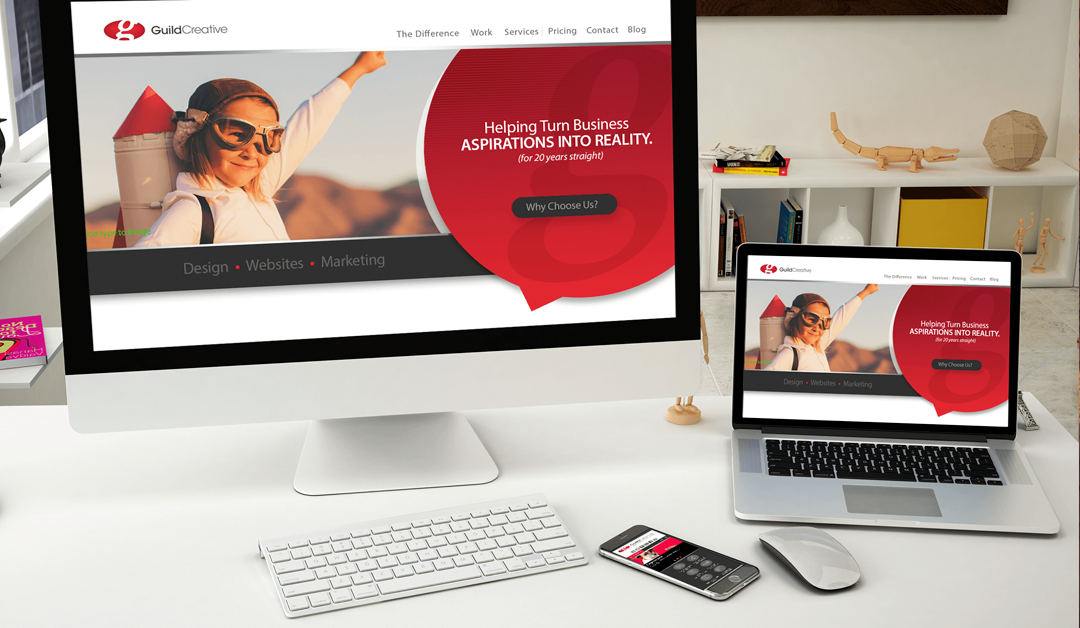
In today’s digital age, having a website is an essential tool for business growth and development. A well-designed website can help increase brand awareness, generate leads, and boost sales. However, designing a website that contributes to business growth requires more than just creating a visually appealing layout. In this article, Guild Creative shares some tips and advice on how to design and build a website that contributes to business growth.
1 2 A Clear Purpose
Before you begin working on your website design, it’s crucial to determine your website’s purpose. What do you want to achieve with your website? Do you want to generate leads, sell products, or provide information? By having a clear purpose, you can create a website that aligns with your overall business goals, making it easier to measure your website’s success.
2 Intuitive Interface
An intuitive user interface (UI) is essential for any website. Your website’s UI should be easy to navigate, with a clear menu and well-organized content. Make sure your website’s content is spaced out and easy to read, with clear headings and subheadings. Additionally, ensure that your website’s pages load quickly and optimize the website’s images to improve the page’s loading time.
3 Intelligent Automation Apps and Tools
Intelligent automation apps and tools play a crucial role in optimizing websites for better performance. They make it easier to reduce manual work and improve customer service, among other things. Chatbots and marketing automation software are some of the tools that businesses can use to streamline their operations. Check it out for more info on how these tools can help grow your business in today’s digital age.
4 Understanding of Your Audience
Understanding your audience is critical when designing your website. Who are your target customers? What are their needs and preferences? By understanding your audience, you can create a website that resonates with them, making it easier to convert visitors to customers. Conduct market research, develop buyer personas, and undertake user testing to gain insights into your audience.
5 A Responsive Website
A responsive website is essential for business growth. A responsive website means that the website can adapt to different screen sizes, making it easy to navigate on different devices, including desktops, tablets, and smartphones. With more people accessing websites from mobile devices, having a responsive website ensures that you don’t lose potential customers due to poor user experience.
6 Strategic Visuals
Visuals are an essential aspect of website design. From images to videos, visuals can help make your content more engaging and memorable. However, it’s crucial to use visuals strategically. Use high-quality images and videos that align with your brand’s message and tone. Additionally, ensure that the visual elements don’t slow down your website’s loading time.
7 Your Coding Skills
While you don’t need to be a coding expert to design a website, having some basic coding skills can be helpful. Knowing how to code can help you customize your website’s design, optimize its performance, and troubleshoot any technical issues that may arise. You can take online courses or attend coding boot camps to brush up on your coding skills.
To create a website that truly contributes to business growth, it’s important to go beyond just aesthetics and consider the site’s purpose. By developing an intuitive interface and leveraging intelligent automation tools, you can create a website that not only looks good but also drives traffic and generates leads. Ultimately, aligning your website with your overall business goals is key to achieving sustainable growth.
Thanks Ron!